The short version
When Carta first established its R&D office Waterloo in 2019, the goal wasn’t to create a small satellite team, but to build and sustain complex financial infrastructure over the long term – and this community proved to be the right fit.
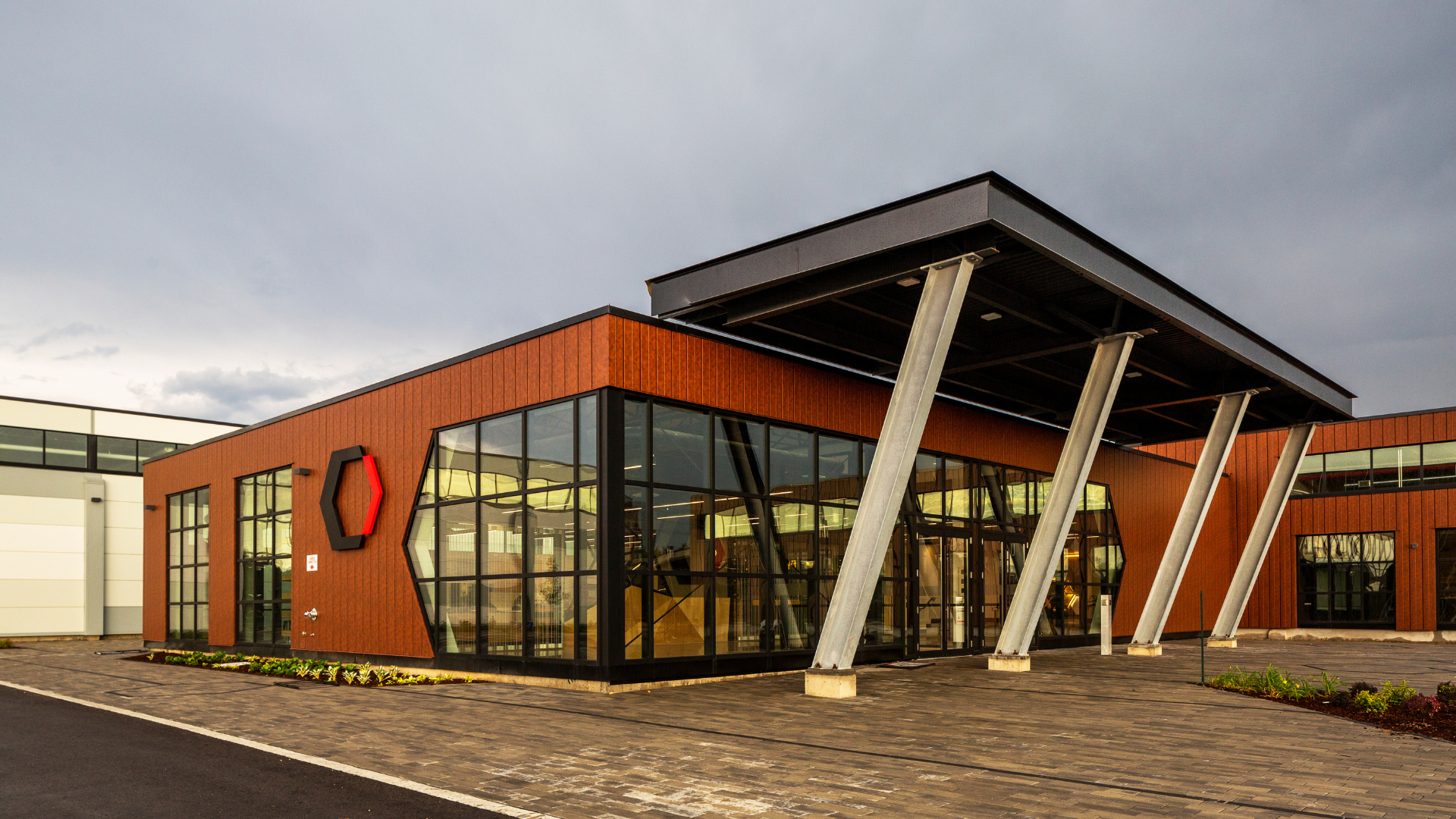
Since then, Carta’s presence in the area has steadily deepened. Today, the company’s office in Kitchener, one of the cities in Waterloo region, is one of Carta’s core engineering hubs, supporting foundational work across infrastructure, data and AI, and helping power the company’s AI-native platform for private capital.
To understand how Carta, the California-based fintech company, has grown alongside a rapidly changing fintech landscape – and how the Waterloo ecosystem continues to support that growth – we spoke with Thomas Schmorleiz, Director of Engineering, and Amy Ulrich, Director of Talent Acquisition (R&D) at Carta.
From cap tables to an AI-native ERP
Carta started off as a cap table management platform for private firms and has now grown into a unified platform for private capital. “Over the last few years, the complexity and diversity of asset classes have grown dramatically,” explained Schmorleiz.
To tackle the limitations of isolated tools, Carta is building an ERP system for private capital. “We’re working towards a unified Enterprise Resource Platform (ERP) approach to overcome fragmented spreadsheets and services,” added Schmorleiz. This shift mirrors the broader global evolution of fintech – moving from standalone tools to integrated, intelligent solutions that help manage scale, complexity and regulatory needs in an increasingly sophisticated fintech landscape.
And AI is central to this transformation.
Rather than layering new tools on top of legacy frameworks, Carta is building the foundation with AI-native solutions. “This isn’t a chatbot slapped on top of an existing product – we are building a truly AI-native back office,” explained Schmorleiz.
To put it simply, Carta is building a layer of AI agents that continuously monitor funds activity, flag failing health checks, auto-allocate expenses and identify issues that actually require human involvement. “This allows us to handle the scale, complexity and diversity of modern private capital in a way that wasn’t possible before,” added Schmorleiz.
And much of this foundational work – from data modeling to core AI and ML infrastructure – is being built out of Carta’s Waterloo office, making it a core part of Carta’s global strategy.
"If you are building complex, long-lived financial infrastructure, Waterloo is one of the best places to do that. The talent here is exceptionally strong in systems thinking, data modelling and building products that are both correct and scalable – exactly what fintech demands."
Thomas Schmorleiz
Director of Engineering, Carta
Waterloo: Carta’s core engineering and R&D hub
Carta has steadily expanded its footprint in our community since 2019. For Carta, the Waterloo region is central to the company’s next phase. “Waterloo isn’t just an additional R&D presence for us – it’s a core engineering hub,” said Schmorleiz. “The foundational teams building our AI-native platform are here, and that’s why this office will continue to grow alongside Carta’s global vision.”
This growth is anchored in our exceptionally strong tech and engineering talent. “We’ve significantly increased our investment in this office over the last couple of years,” said Ulrich. “In 2023, we had about 35 people in R&D in Waterloo. Today, we have over 70.” The company plans to continue growing the team here with many open roles listed on Carta’s career page.
But it’s not just about numbers – it’s about the breadth and depth of skills you find here. “If you are building complex, long-lived financial infrastructure, Waterloo is one of the best places to do that,” shared Schmorleiz. “The talent here is exceptionally strong in systems thinking, data modelling and building products that are both correct and scalable – exactly what fintech demands,” added Schmorleiz.
With deep ties to the University of Waterloo and its globally recognized engineering and computer science programs, Carta benefits from a steady flow of co-ops and graduates who are industry-ready. “We’ve had over 40 co-ops who became full-time employees and rapidly advanced to senior-level roles. That’s a true testament to the calibre of talent coming out of the University of Waterloo,” shared Ulrich.
Why does Waterloo work for fintech companies?
Carta is an excellent example of why Waterloo is a great place for fintech innovation, thanks to the unique convergence of talent, technology and community. “This is an ecosystem where universities, industry and the community are tightly connected,” shared Schmorleiz. “When you hire someone here, you’re not just hiring one person – you’re integrating into a pipeline that keeps your team sharp over the long term.”
Our community’s culture encourages collaboration and knowledge-sharing, creating opportunities to innovate faster and build more robust solutions. “There is a lot of deep technical expertise in different domains, and it provides a really great opportunity for cross-pollination,” shared Ulrich.
For fintech companies, this combination of world-class talent, applied research and a collaborative community makes Waterloo more than a location – it’s a competitive advantage for building the next generation of financial technology.
Key Takeaways
-
Carta’s Waterloo office has grown into a core engineering hub supporting its AI-native platform to build a unified ERP system for private capital
-
Carta’s Waterloo team has doubled since 2023, fueled by exceptional talent from local universities in systems thinking, data modeling and AI
-
The combination of technical expertise, applied research and a collaborative community makes Waterloo an excellent choice for fintech companies
Explore Waterloo's fintech ecosystem
Discover the ecosystem behind companies like Carta.