Canada just made a major policy shift—and for international companies eyeing growth opportunities in this country, it’s worth paying close attention.
On February 17, Prime Minister Mark Carney unveiled Canada’s first-ever Defence Industrial Strategy, a $6.6-billion, five-year plan to reshape how Canada builds, buys and exports military technology. The headline numbers are striking: 125,000 new high-paying jobs, a 50% increase in defence exports and a tripling in Canadian defence industry revenues, all targeted over the next decade.
Here’s what that means for international companies considering Canada as a growth market: the federal government is now putting sustained investment behind key sectors like aerospace, defence, AI, cybersecurity and more.
“For international companies tracking where governments are making long-term bets, this strategy puts Canada squarely on the map,” says Tony LaMantia, President and CEO of Waterloo EDC. “We’re not just a stable place to do business, we’re also building the next generation of defence capabilities.”
Key Takeaways
- Canada is shifting toward domestic production, accelerating growth for companies in aerospace, cybersecurity, AI and advanced manufacturing
- For international businesses looking to grow in Canada, the new defence strategy will be a catalyst for innovation and help companies located here scale faster
- Industrial policy and FDI go hand in hand, opening up market access and expanding Canada’s international network
- The new Defence Industrial Strategy is a generational opportunity for international companies to establish a Canadian presence and become part of the supply chain
A deliberate shift toward domestic production
The strategy’s guiding principle is “build, partner and buy.” Canada currently sources about 1/3 of its military equipment from domestic companies. Carney’s goal is to more than double that to 70% of overall defence procurement spending over the next decade. To get there, the government is setting up a new Defence Investment Agency. The agency will be a centralized body designed to cut red tape, streamline procurement and give businesses the consistent, predictable demand they need to scale.
“Canada is open for business,” says LaMantia. “This kind of government procurement accelerates growth for companies in aerospace, cybersecurity, AI and advanced manufacturing.”
For international companies, this sends a clear signal: Canada is not looking to close its doors to global partners. It is looking for the right partners. And that looks like companies that can bring innovative technology, R&D capacity and supply chain integration to the table.

Mark Carney unveiling Canada’s new Industrial Defence Strategy. Source: X
A catalyst for innovation
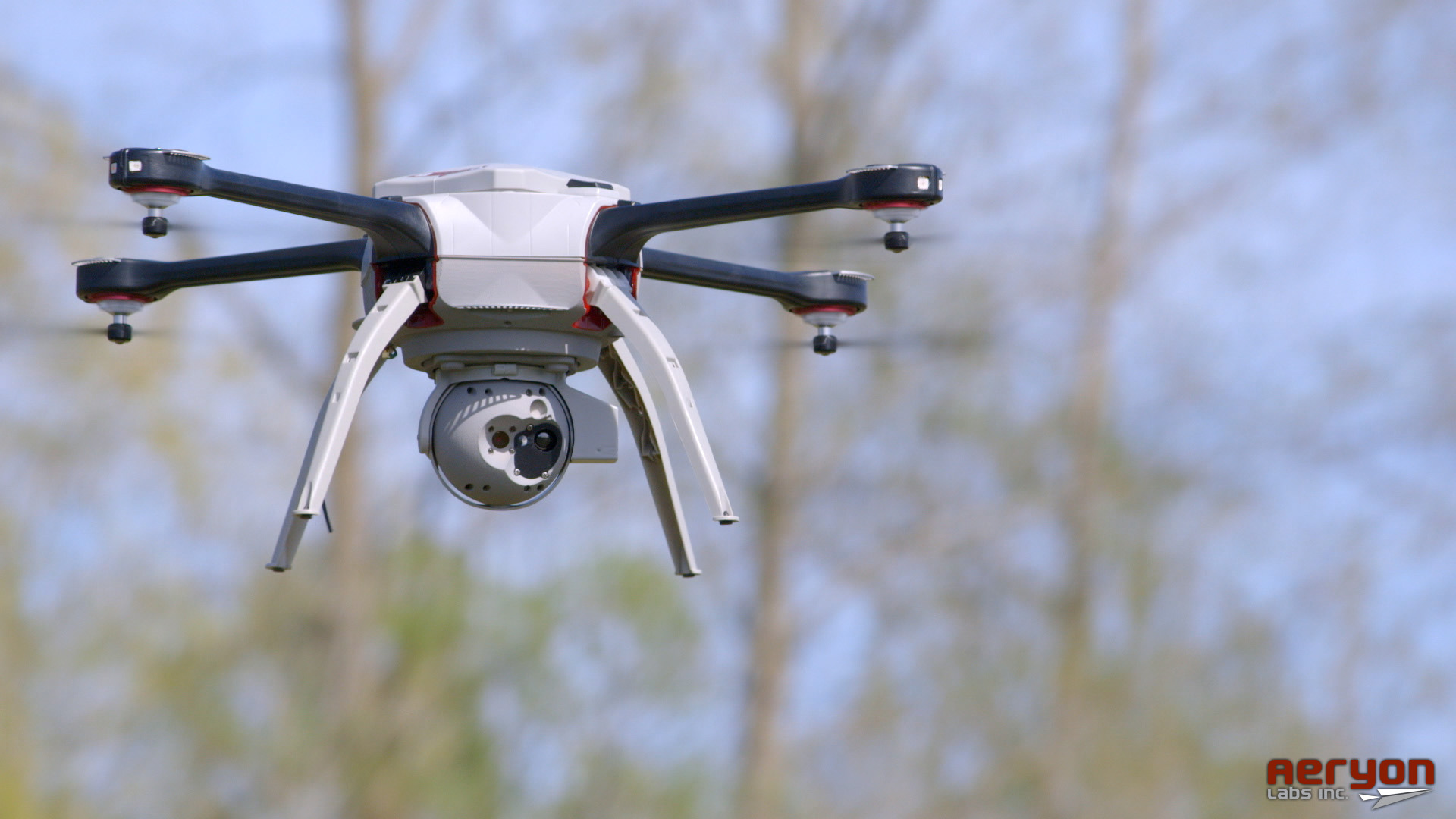
The strategy identifies 10 priority areas for sovereign capability development, including aerospace, cybersecurity, drones, ammunition and AI. These are not abstract priorities. They map directly onto the strengths of Canada’s leading innovation ecosystems.
“This strategy is a catalyst for companies in sectors like AI, cybersecurity, deep tech and defence to scale faster, right here in Canada,” states LaMantia. “Waterloo Region is a leader in all of these sectors.”
Waterloo is already home to one of the world’s most concentrated clusters of AI, cybersecurity and quantum computing talent. The University of Waterloo produces more engineers and computer scientists than virtually any comparable institution in North America. When Canada says it wants to build sovereign AI and cyber capabilities at home, the Waterloo region is exactly the kind of place that strategy depends on.
Why FDI and defence strategy go hand in hand
Some international companies may initially read “build Canadian” as a signal to stand back, but that couldn’t be further from the truth.
Foreign subsidiaries operating in Canada — with Canadian employees, Canadian R&D and Canadian supply chain relationships — are expected to play a central role in delivering on this strategy.
The Defence Investment Agency will play a role in enabling exports, helping companies operating in Canada to sell to trusted partners around the world. Canada has already signed more than a dozen defence partnerships on four continents over the past six months, creating new export pathways that didn’t exist even a year ago.
“One of the most underappreciated aspects of this strategy is what it means for market access. Canada is rapidly expanding its defence partnerships globally, and companies that establish a base here are positioning themselves at the centre of a growing international network, not just a domestic one,” says LaMantia.
A generational opportunity
Canada’s Defence Industrial Strategy isn’t just a procurement policy. It’s a multi-decade industrial investment backed by one of the most stable and business-friendly regulatory environments in the world. For international companies in aerospace, deep tech, cybersecurity or advanced manufacturing, the window to establish a Canadian presence — and become part of this supply chain — is now.
“Our new Defence Industrial Strategy is a signal to the world that Canada is serious about building the industries of the future at home. For international companies looking for a stable, innovative and strategically significant market, this is exactly the kind of policy certainty that makes investment decisions easier,” says LaMantia.
Contact us to learn how your company can find its place in Canada’s growing defence and technology ecosystem.