The short version
At the end of 2025, Waterloo EDC will celebrate its 10th anniversary, capping a decade in which the organization has supported nearly $4 billion in new investments in our community. But these investments are only the tip of the iceberg, from Google’s expansion to home grown companies witnessing skyrocketing success, Waterloo has changed in big ways in just 10 years.
Ten years ago, when Waterloo EDC was first established, the Waterloo region looked a lot different. The skylines weren’t quite as pronounced. The transit system wasn’t as advanced. The business ecosystem wasn’t as robust.
Now, Waterloo is a much bigger community with almost 165,000 more people and scores of new homegrown and international companies. Several renowned research centres and innovation hubs now underpin key industries like tech, manufacturing and quantum. Although we’ve encountered the economic and social struggles that all growing cities face – not to mention the COVID-19 pandemic – Waterloo’s growth has spurred an undeniable boom in development and innovation.
Here are the 10 big ways the Waterloo community has changed for the better in the last 10 years:
1. Google expanded its Canadian engineering headquarters
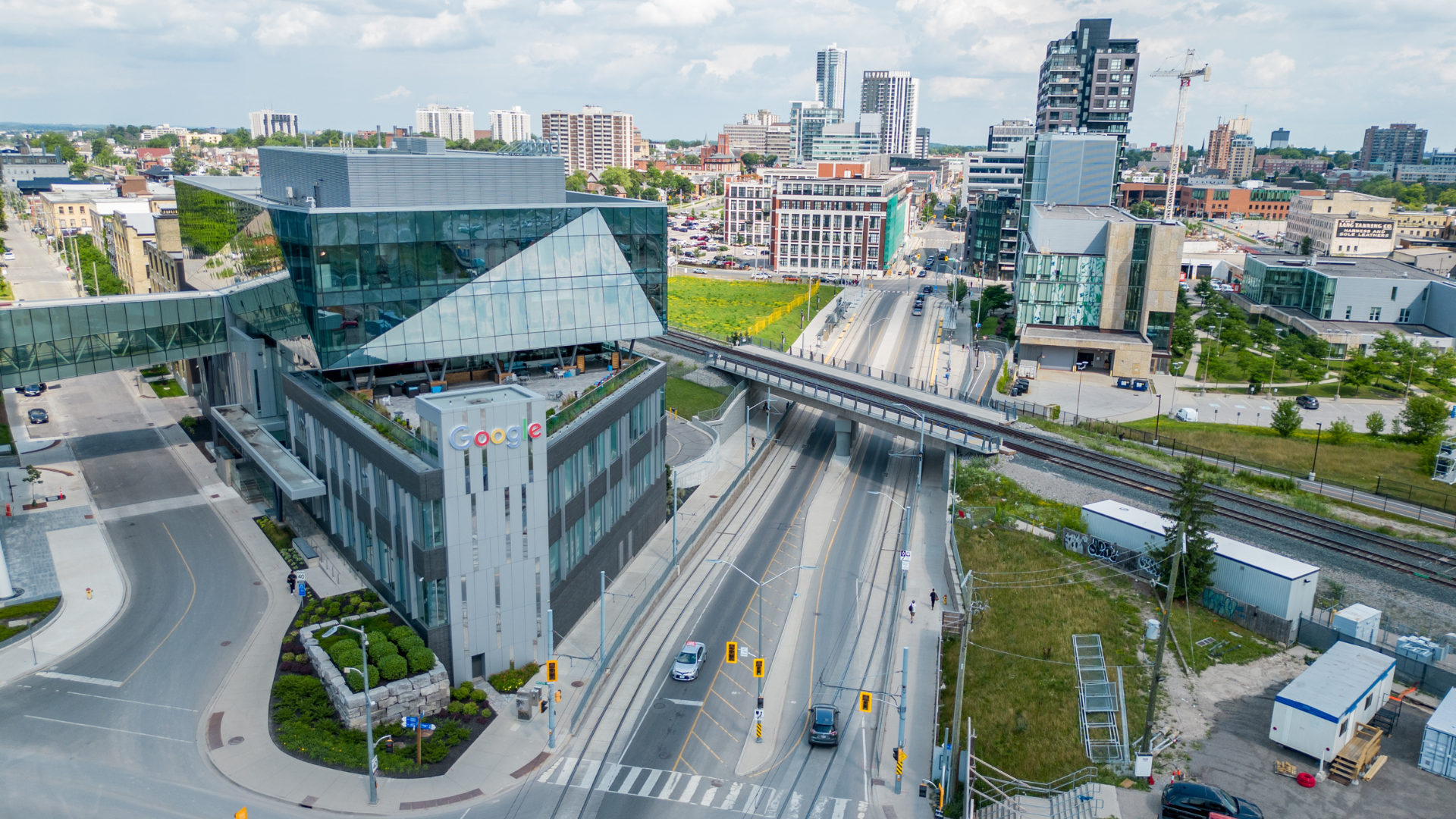
In 2016, Google announced it was establishing its Canadian engineering headquarters in the heart of downtown Kitchener, in what is now known as the Innovation District. After tremendous success in the region, Google expanded its operations. The company doubled the size of its office, adding 300,000 sq ft to its existing space between 2019 and 2022. Now, with more than 500,000 sq ft. of office space, Google’s physical presence in the Waterloo region is tremendous.
The engineering hub remains one of the largest outside of the United States. A cornerstone of our community, Google’s presence has been instrumental to our local tech ecosystem. Through strategic partnerships, startup support and talent programs, Google sets a high standard for innovation and success in Waterloo.
2. Toyota expanded operations with a billon-dollar investment
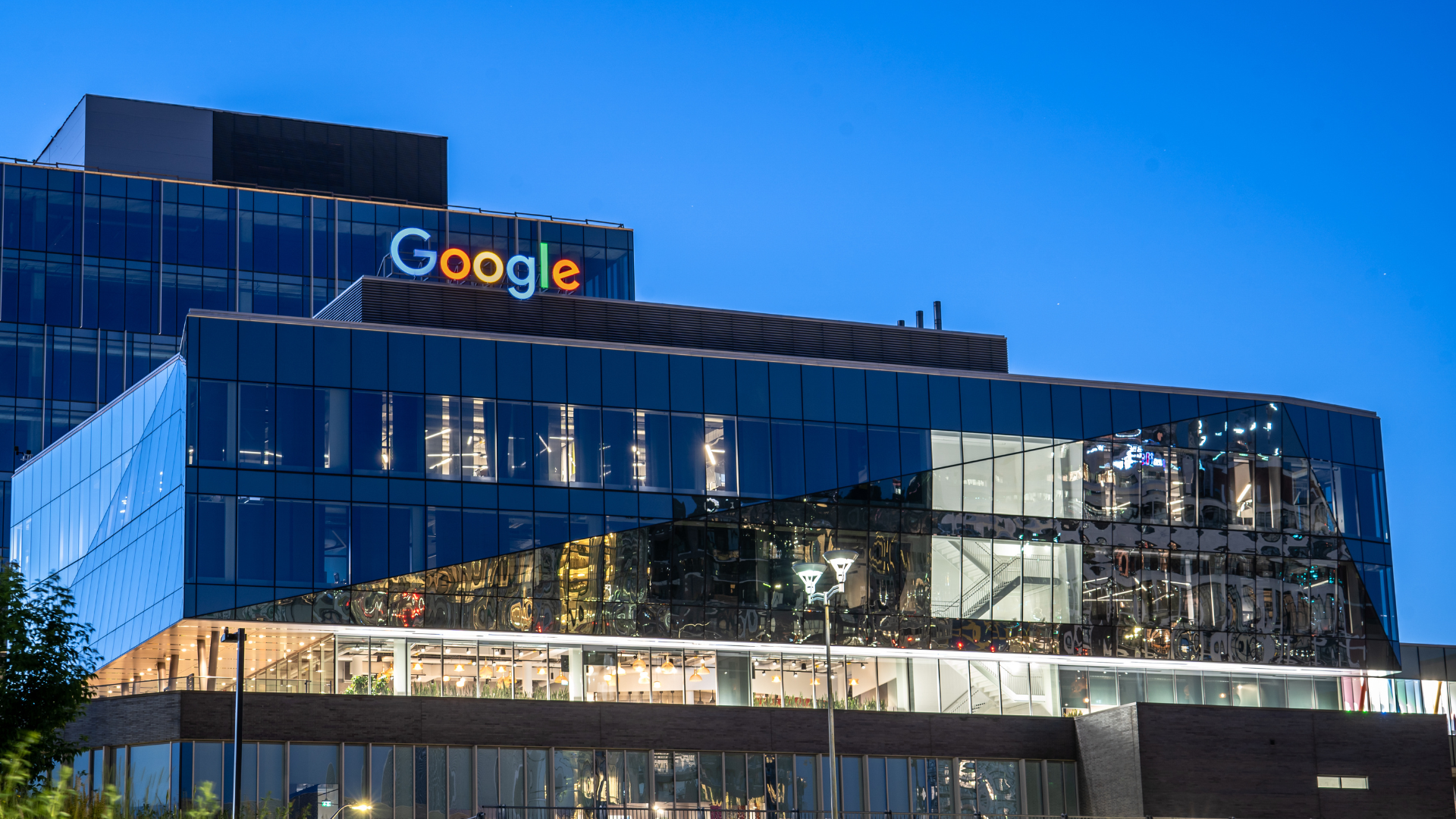
Toyota Motor Manufacturing Canada announced a $1.4 billion investment in its Waterloo Region operations, as well as the production of a new vehicle, the Lexus NX. The local Cambridge-based plant became the first facility outside of Japan to produce a Lexus product in 2003 and has since made millions of Lexus vehicles in Cambridge.
Over the last ten years, the plant picked up six more J.D. Power awards to become the most awarded automotive manufacturing plant in the world. It remains one of the largest employers in Waterloo.
Through partnerships with the University of Waterloo (UWaterloo) and Conestoga College, as well as investments in manufacturing research, Toyota continues to drive automotive innovation across the region.
3. The Medical Innovation Xchange (MIX) was established
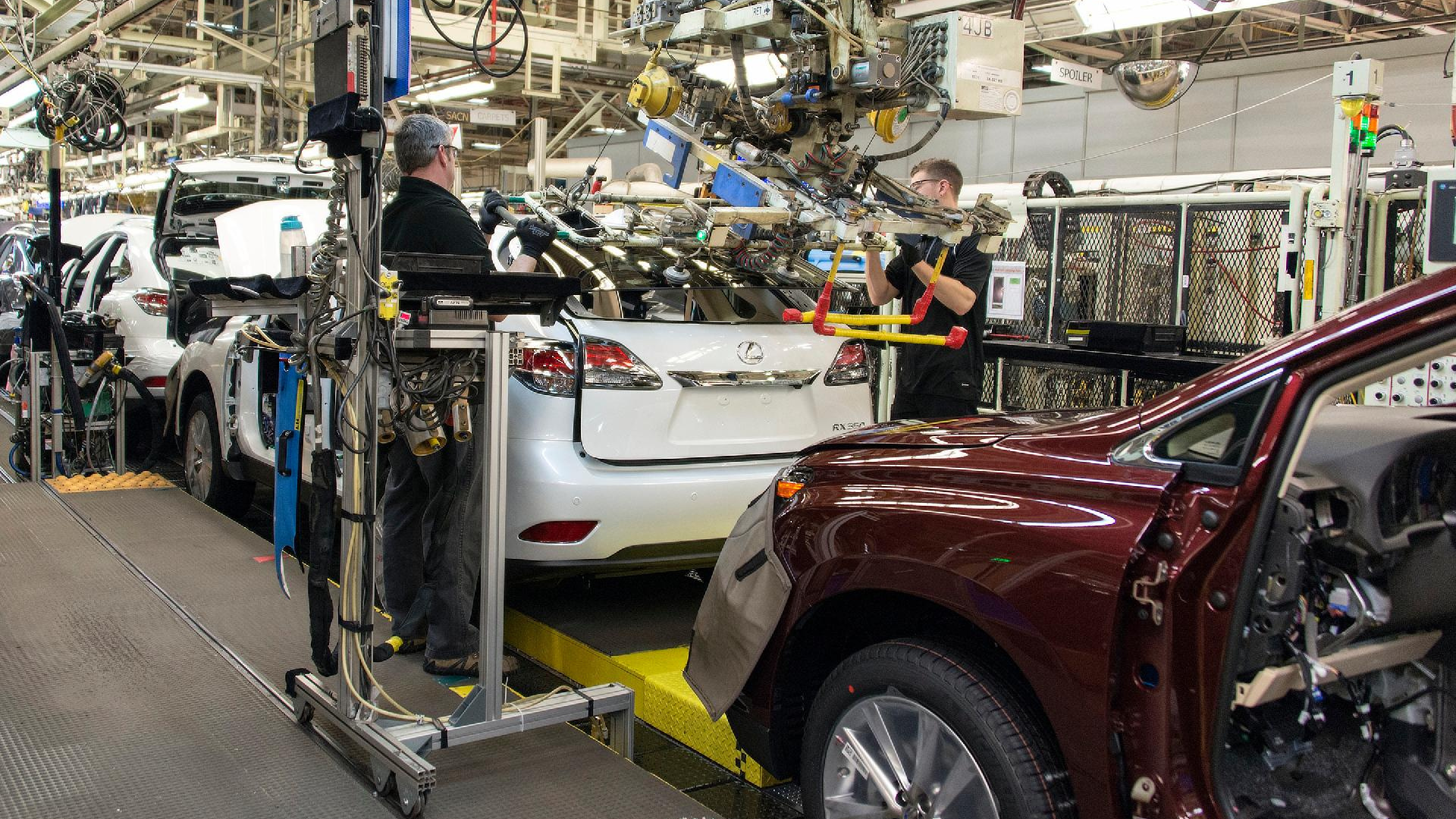
Waterloo region opened Canada’s first industry-led MedTech hub: the Medical Innovation Xchange (MIX). Located in Kitchener, the hub has evolved into a space for MedTech developers, health professionals, investors and tech experts to collaborate on ground-breaking new products. With tenants like Vena Medical, FluidAI and Intellijoint, MIX is a pivotal player in Waterloo’s growing health innovation ecosystem.
Waterloo is building on MIX’s vision to create a technology-driven, supportive ecosystem for health innovation, with a new hospital, an accelerator program for MedTech startups and major investments in healthcare in the local pipeline.
4. The ION Light Rail Transit (LRT) system connected the Waterloo region
The ION LRT arrived in Waterloo Region in 2019. The high-frequency transit system travels throughout Kitchener and Waterloo, with a planned expansion to Cambridge. The project has been a major source of economic growth, connecting residents to jobs, services and recreation, while spurring billions of dollars worth of new real estate development.
The ION links key innovation hubs, including all three local post-secondary institutions, the Accelerator Centre, Waterloo’s Research + Technology Park, Communitech and Velocity. Major companies like Google, SAP, Faire, Sun Life and OpenText are also located next to the LRT.
5. Catalyst137 grew into the world’s largest IoT space
Ten years ago, Catalyst137 was an empty warehouse in Kitchener. In 2016, it was purchased by a team of local founders and developers to create a space where Waterloo’s growing Internet of Things (IoT) companies could work together and compete in the global market. Then, five years later, Catalyst Commons—the building’s co-working space—was launched.
Now, Catalyst137 is home to the largest co-working space in Waterloo region, and hundreds of companies and people. It’s also the largest IoT space in the world, which is no small feat. Its tenants include Miovision, D2L and the Multi-Scale Additive Manufacturing Lab, as well as several other businesses rapidly growing and scaling.
6. UWaterloo, Conestoga and Laurier added advanced research hubs and spaces
The University of Waterloo added the Artificial Intelligence and Data Institute, as well as the Innovation Arena, to its R&D ecosystem. The institute was launched in 2018 to foster and promote research in all aspects of AI and machine learning. There are 300+ professors and associates working here, spanning all six faculties at UWaterloo.
The Innovation Arena in Kitchener, which houses the Velocity Incubator, is a state-of-the-art facility that unites researchers, entrepreneurs and businesses to accelerate advancements in health technology.
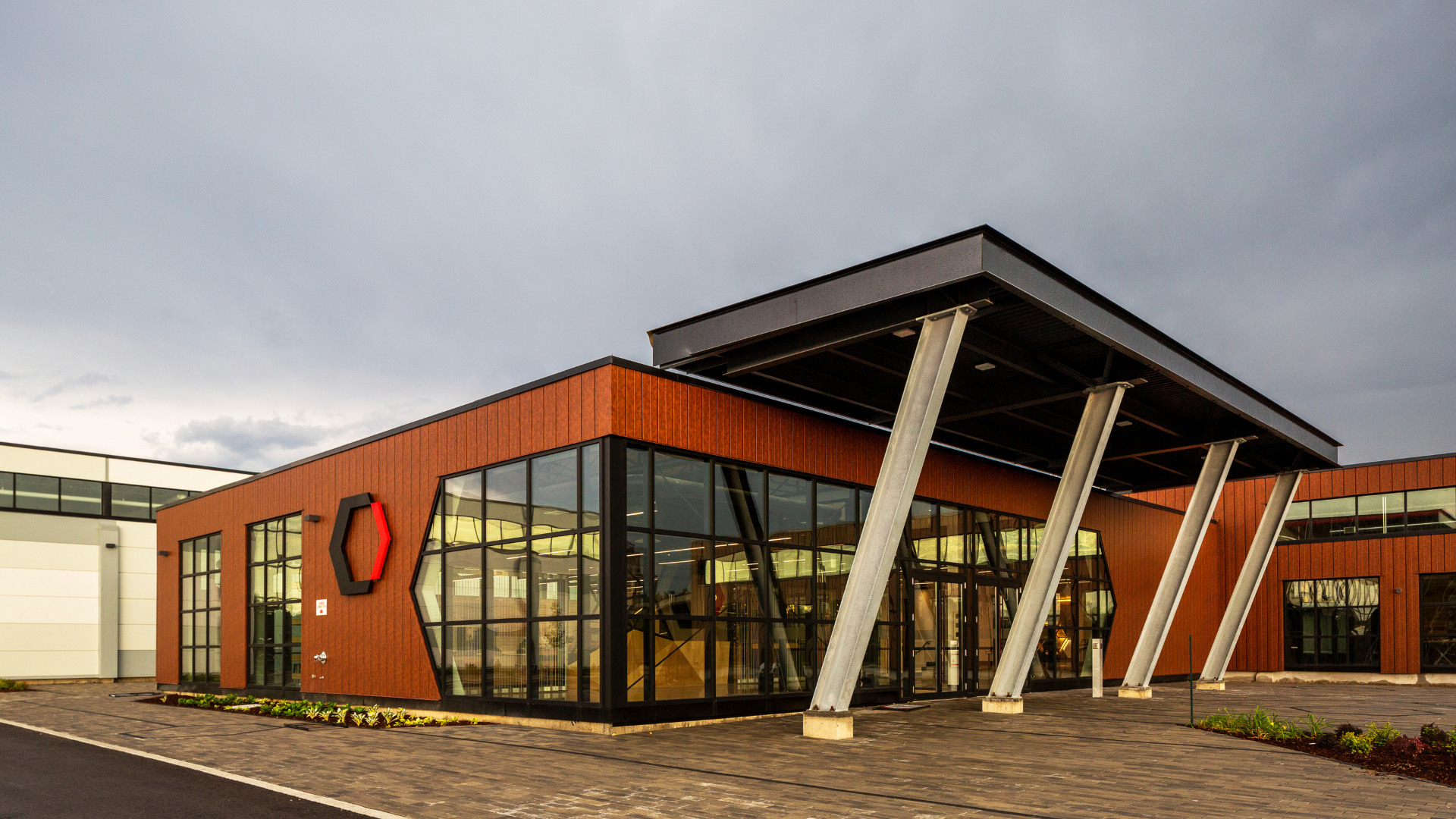
Conestoga College announced its new Skilled Trades facility in Cambridge, which is on track to be the largest and most comprehensive in Canada. The first phase of the campus opened in 2022 alongside Canada’s 401 superhighway. Phase Two, a 221,671 sq ft. building, is set to welcome students in 2026.
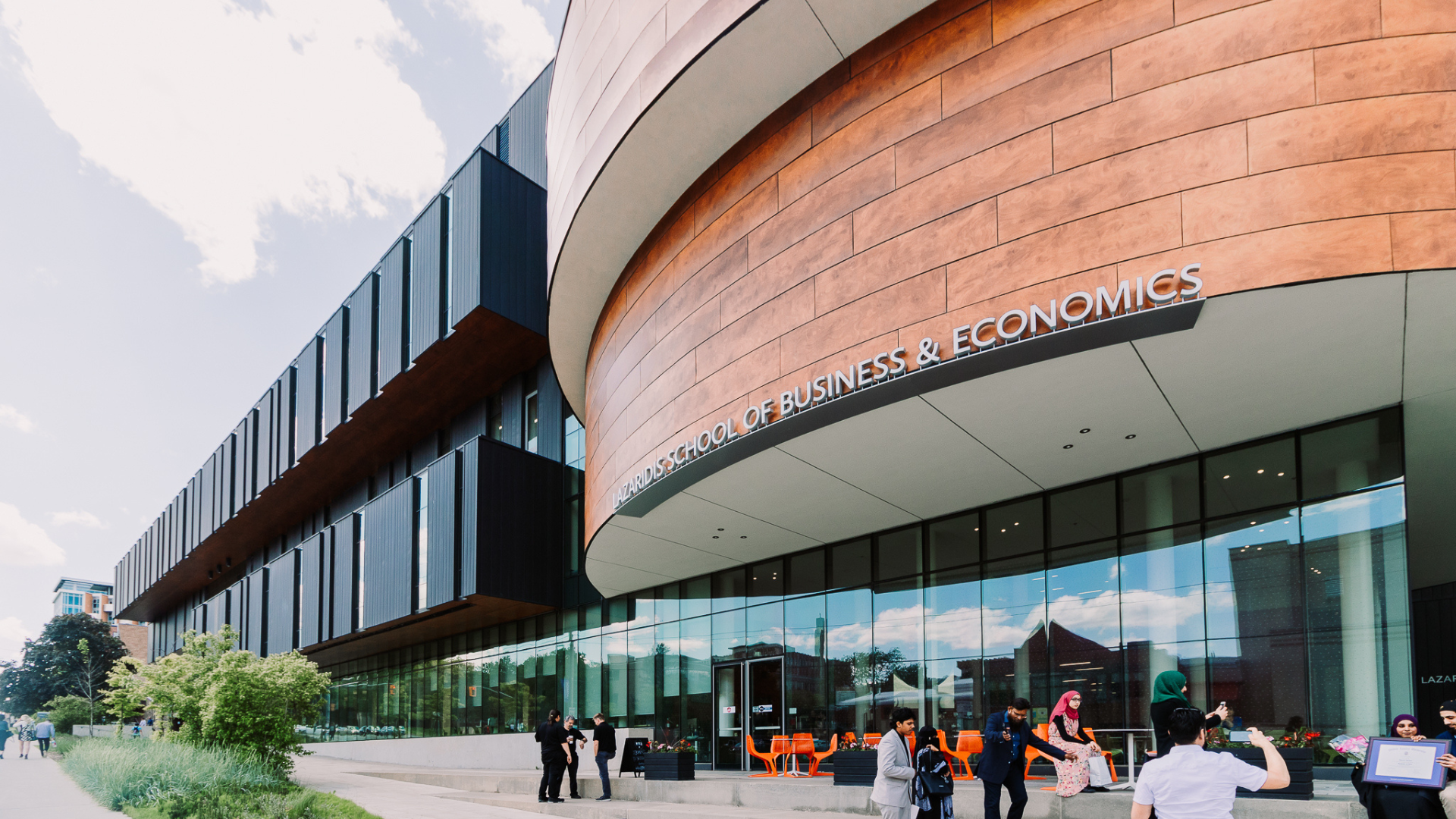
Wilfrid Laurier University opened the doors to its new business building, Lazaridis Hall, in Waterloo. With a $20M investment from BlackBerry founder Mike Lazaridis, the space houses the Lazaridis School of Business and Economics, the Lazaridis Institute, the Schlegel Centre for Entrepreneurship and Social Innovation and more.
7. evolv1 set a new standard for green buildings at the R+T Park
The David Johnston Research + Technology Park has long been a lauded institution in Waterloo, but it continues to innovate at every turn. In 2018, the R+T Park added Cora Group’s evolv1 to its already impressive slate of tenants: SAP, OpenText, the Accelerator Centre and more.
evolv1 is the first-ever zero-carbon office building in Canada. 110,000 sq ft. and designed with sustainability at its core, evolv1 generates more energy than it consumes through geothermal energy and solar panels. It is a symbol of Waterloo’s ongoing commitment to sustainability and development.
8. Homegrown companies experienced skyrocketing success
Tech companies like Faire, eSentire, ApplyBoard and Arctic Wolf became unicorns. ATS Corporation added a multimillion-dollar expansion following significant revenue growth. Clearpath Robotics and AvidBots, two pivotal players in our local robotics ecosystem, announced strategic partnerships and multimillion-dollar investments. All of these companies are homegrown in Waterloo and reached incredible new heights over the last 10 years.
9. Major multinationals landed and expanded in Waterloo
Apple, Bosch, OVHCloud, Ford, MasterClass, Siemens and Westinghouse are just a handful of the major multinational companies that set up shop in Waterloo over the past decade. We also saw Hinduja Global Solutions (HGS), EPAM Systems and Lincoln Electric land here, too. These expansions brought thousands of new jobs to the region and billions of dollars in new investment.
10. Clusters like nuclear, defense, health innovation and batteries emerged
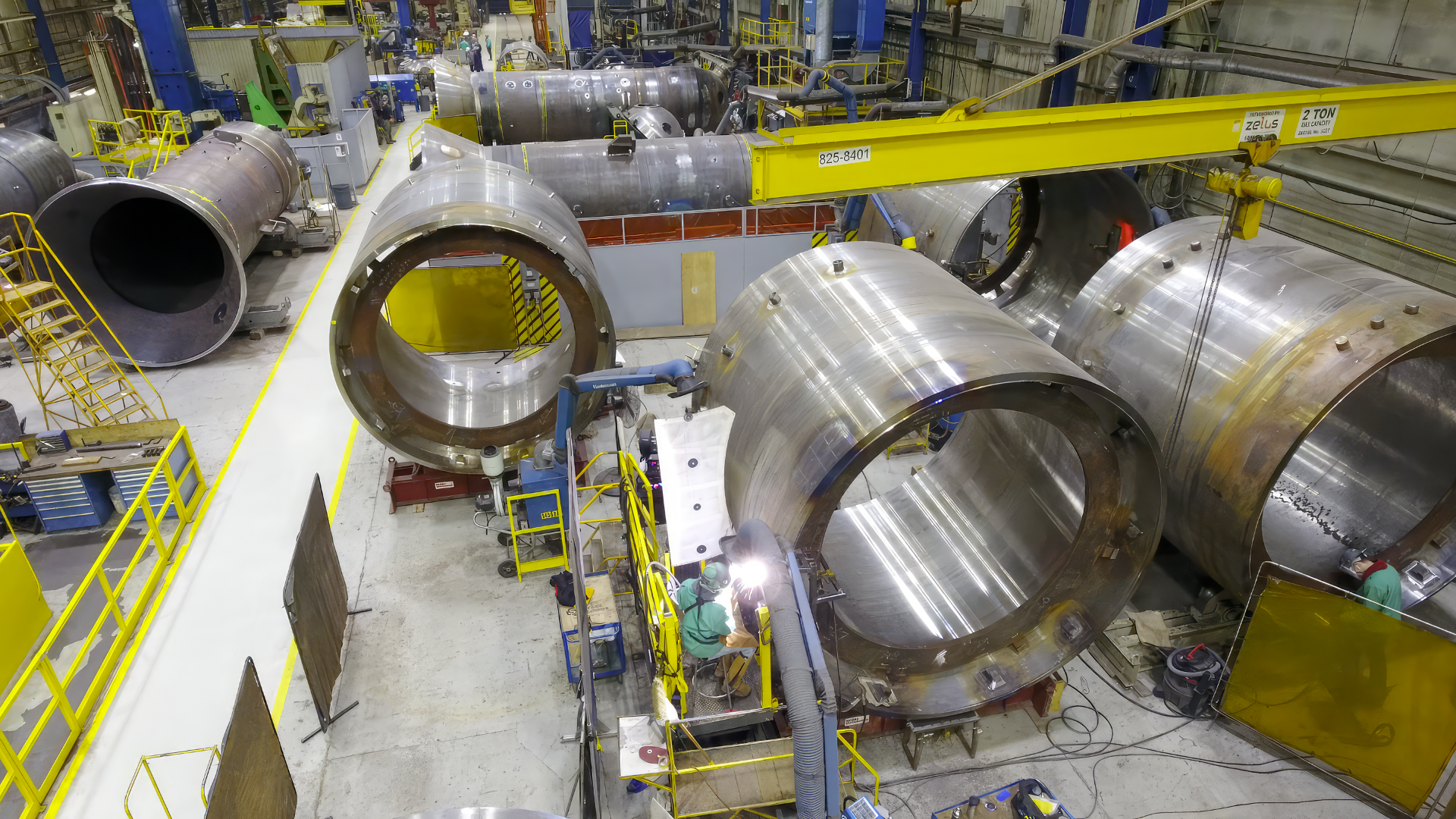
While Waterloo is known for expertise in a variety of sectors across tech and manufacturing, a few key clusters emerged as hotspots in our region. From nuclear and defense to battery and health innovation, Waterloo has become a place where people work on the cutting edge.
Key Takeaways
- Waterloo has experienced incredible growth over the last 10 years, with major investments and profound infrastructure changes
- Waterloo EDC has played a significant role in the region’s success, supporting nearly $4 billion in new investment in the past decade
- Our community saw expansions from Google, Toyota, Bosch, OVHCloud, Westinghouse and EPAM Systems
- Local companies like Faire, eSentire, ATS Corporation and Clearpath Robotics reached new levels of success
- Industry support organizations like the Medical Innovation XChange and Catalyst137 were established
- The University of Waterloo, Conestoga College and Wilfrid Laurier University added advanced research hubs and spaces
Want to be part of the next 10 years?
Waterloo’s growth over the last decade has been nothing short of inspirational. You can be part of our community’s future.